Find Nurseries, Explore Plants, Grow Your Garden
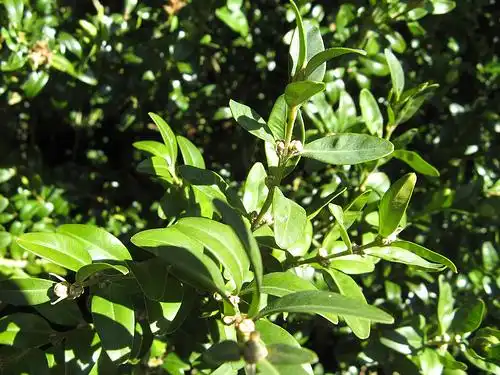
Plant Profile: Buxus sempervirens 'Arborescens'
This plant is ideal for expansive spaces; it adapts effectively to shearing and its more open growth pattern allows for training into a tree form. It has a moderate growth rate.
For additional details on Buxus sempervirens, please refer to the provided resources.
Tree Boxwood, Truetree Boxwood
BUK-sus sem-per-VEE-renz
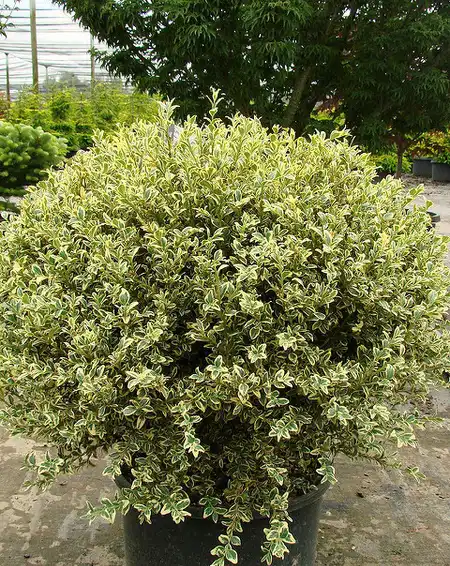
Buxus sempervirens 'Aureovariegata'
Buxus sempervirens 'Aureovariegata' is a striking variegated boxwood that lends itself well to being shaped into formal hedges or topiaries. This rounded shrub or small tree features evergreen leaves adorned with creamy yellow edges and a rich green center.
For optimal growth, it thrives in a blend of sandy and clay soils, benefiting from a balance of sunlight and shade. Plants that are placed in full shade may not flourish as expected, resulting in reduced foliage. Conversely, those exposed to full sun may experience leaf scorching, browning in winter, and vulnerability to mite infestations. Morning sunlight is ideal for this variety.
While 'Aureovariegata' can withstand pruning, it is advisable to carry out this task after the last frost to avoid damaging tender new growth that may be susceptible to late frosts. To protect its shallow root system, a layer of mulch is recommended, and care should be taken to limit cultivation around these roots to prevent harm to the plant. The plant's health can be influenced by its location and maintenance; therefore, it should be positioned to minimize exposure to harsh winter winds and direct sunlight, which can lead to dehydration and bronzing. Additionally, any snow accumulation should be cleared from the branches to prevent damage. Annual thinning of the plant will promote better air circulation.
Variegated Boxwood
BUK-sus sem-per-VEE-renz
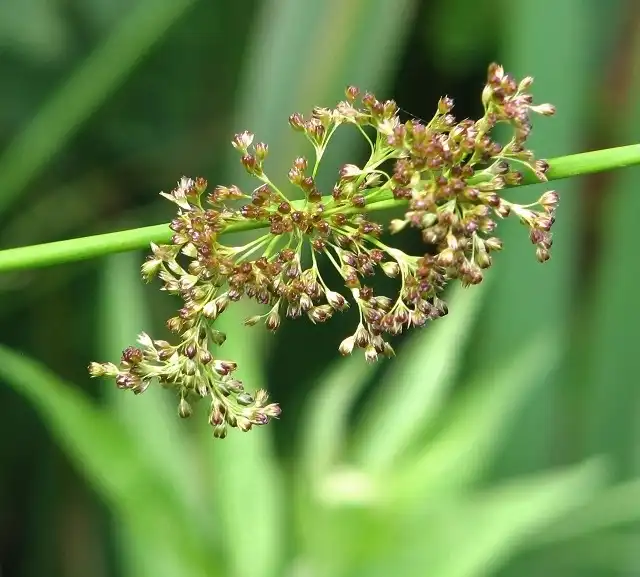
Juncus effusus subsp. solutus (Common Rush, Soft Rush)
Eastern Soft Rush is a decorative grass indigenous to Canada and the eastern United States, known for its vigorous spread through rhizomes.
**Preferred Habitat:** It thrives in moist environm
Common Rush, Soft Rush
Juncus \ effusus \ Juncaceae
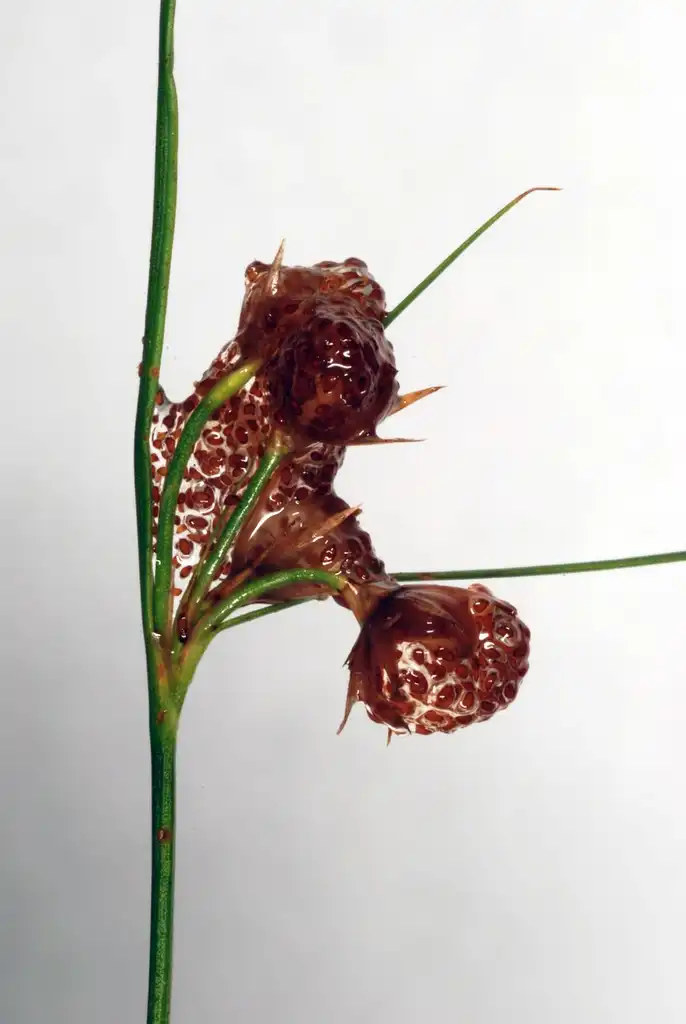
Juncus tenuis (Wire Grass)
The 'Blue Arrows' is a variety of rush belonging to the Juncaceae family. This genus, Juncus, thrives in cold environments and prefers moist, dense soils. You can commonly find these plants in mars
Wire Grass
Juncus \ tenius \ Juncaceae
Juniperus chinensis (Chinese Juniper)
Juniperus chinensis, commonly referred to as Chinese Juniper, is an evergreen conifer indigenous to eastern Asia, encompassing regions such as China, Mongolia, Japan, and the Himalayas. This bushy,
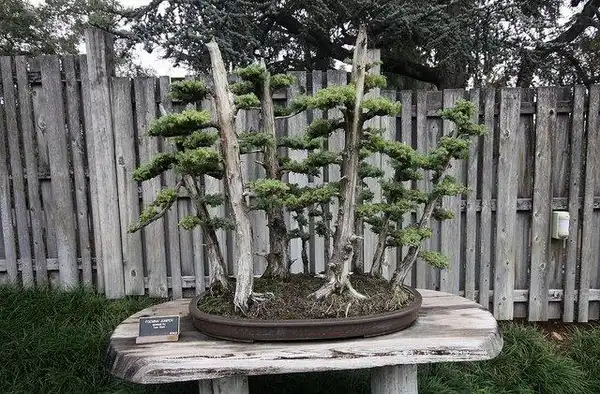
Chinese Juniper
Juniperus \ chinensis \ n
Juniperus chinensis 'Angelica Blue' (Angelica Blue Pfitzer Juniper)
Angelica Blue is a cultivar of Juniperus chinensis, characterized by its dense branching and wide-spreading form, typically reaching widths of 6 to 10 feet. This low-growing juniper is particularly
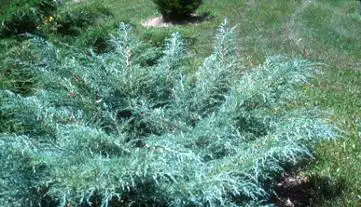
Angelica Blue Pfitzer Juniper
Juniperus \ chinensis \ Cupressaceae
Juniperus chinensis 'Blue Vase' (Blue Vase Juniper)
The Blue Vase Juniper is a needle-bearing evergreen shrub belonging to the cypress family, native to Asia. Characterized by its upright, spreading growth habit, it typically reaches heights of 3 to
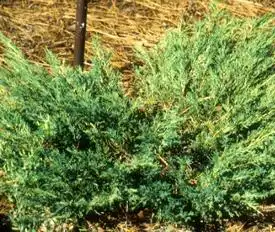
Blue Vase Juniper
Juniperus \ chinensis \ Cupressaceae
Subscribe
Subscribe to our newsletter. We deliver the best health related articles to your inbox